
How real-time SMS fraud detection works
Three easy steps.
Fraud verdict in less than 60 seconds.
Easy & fast – verdict delivered in less than 60 seconds
3 easy steps to check if that message is fraudulent
Text Fraud:
Forward message or text a screenshot
→ 442-432-5898
Email Fraud:
Forward email or screenshot
→ [email protected]
Works on any device, any carrier.
Real-time analysis
We evaluate your message across six detection signals at once.
CheckTxt's patent-pending CHAI engine evaluates the message across six detection signals at once — the language, the sender, any links, and known fraud patterns.
Verdict delivered
Receive a verdict in less than 60 seconds.
No jargon, no guesswork.
Receive a plain-language verdict in less than 60 seconds, marked:
• scam or • legitimate
You'll also get guidance on what to do next — before you click anything or share a single detail.
One tap to protect yourself
Save CheckTxt as a contact for instant fraud detection.
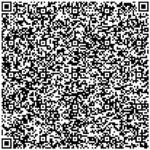
On your phone: Scan QR code → tap link & contact will auto-save
On your computer: Download this contact file → Open it → Click “add” or “save”
Jack will explain how CheckTxt works. It won't take long.
Protection for you.
Protection for your family.
Protection for your friends.
This service is free for your family and friends. Please share it with loved ones—especially those who may be more vulnerable to scams.
Frequently Asked Questions
How does CheckTxt deliver a verdict in under 60 seconds?
CheckTxt’s patent-pending CHAI engine analyzes suspicious messages across six specialized detection layers simultaneously — not sequentially. While a traditional rule-based system checks one signal at a time, CheckTxt evaluates message content, sender behavior, embedded links, brand impersonation signals, urgency patterns, and campaign indicators all at once, in under 300ms. The result is a plain-language verdict — scam or legitimate — returned to the user in under 60 seconds, before any damage can occur.
What is smishing and how does it work?
Smishing is a form of phishing delivered through SMS text messages. Attackers send fraudulent texts impersonating trusted organizations — banks, delivery companies, government agencies, or well-known brands — to trick recipients into clicking malicious links, sharing personal information, or making payments. Unlike email phishing, smishing reaches people on their personal devices where they are more likely to trust and act on messages quickly. Text messages have a 98% open rate and are typically read within minutes of receipt, making SMS one of the most effective channels for social engineering attacks.
As AI-generated messaging and rich communication formats like RCS make smishing more convincing and harder to detect, organizations need real-time protection when a message is received — not after damage has occurred. See a real-world example of a smishing scam targeting consumers right now.
What is the difference between smishing and phishing
Phishing is the broader term for fraudulent messages designed to trick recipients into revealing personal information, clicking malicious links, or making payments. Smishing is phishing delivered specifically through SMS text messages. While email phishing has been a known threat for decades and most organizations have email security controls in place, smishing exploits a channel that most enterprise security stacks don’t monitor — the personal devices and text messages of customers and employees. This makes smishing significantly harder to detect and intercept.
Attackers have shifted toward SMS precisely because it falls outside traditional security visibility, reaches people in moments of trust, and achieves open rates that email can’t match. See how SMS fraud detection for banks addresses smishing at the customer communication layer.
Why can't traditional security tools detect SMS fraud?
Traditional security tools — EDR, SIEM, email security, and endpoint protection — are designed to protect internal systems, networks, and devices. SMS fraud bypasses all of them entirely. Attackers deliberately target customers through text messages because they fall outside enterprise visibility, reaching people on personal devices where no corporate security control has jurisdiction. By the time a fraudulent transaction surfaces in an internal system, the damage has already occurred. Closing this gap requires a different approach — one that operates at the customer communication layer, analyzing suspicious messages as they are received rather than detecting consequences after the fact. See why SMS threat detection for enterprises is the fastest-growing blind spot in enterprise security.